
Everyday Medicine by Dr Luke Crantock
Conversations with colleagues providing helpful ideas and advice in healthcare






In my conversation with expert headache and movement disorder specialist Dr. Michael Eller from Richmond Neurology, I was keen to delve deeper into the realm of chronic primary headaches—specifically, migraine and cluster types. The evolving understanding of the pathophysiology of these headaches and the developing treatment approaches, focusing on inhibiting the neurotransmitter called Calcitonin gene-related peptide, is fascinating. This peptide is inhibited by the 5-HT1D and 1B receptor agonist effect of the triptans, as well as by a new family of CGRP-targeting drugs and monoclonal antibodies developed for the preventive treatment of migraine.

The World Health Organisation estimates that between 2030 and 2050, climate change is anticipated to result in approximately 250,000 additional deaths annually. These fatalities may arise from issues such as malnutrition, and heat stress, as well as diseases like malaria and infectious diarrhea. The impact of a planet warming at a recorded rate of 0.08 degrees centigrade per decade since 1880, accelerating to 0.18 degrees centigrade since 1981, poses threats to human lives and health across multiple dimensions. It's important to note that this statement does not delve into the detrimental potential such warming has on other species. Factors crucial to human survival—such as clean air, safe drinking water, a nutritious food supply, and secure shelter—are all imperilled in a world grappling with climate change. In this podcast, my intention was not to focus on the specific science of global warming and subsequent climate change, but rather on the associated health consequences.

Hypermobile joints were noted by Hippocrates as long ago as 400 BCE and are common, occurring in about 10-25 % of the population. In a minority of patients’ pain and injury results suggest that the clinical findings may reflect a condition referred to as hypermobility spectrum disorder, a polygenic connective tissue syndrome affecting between 1:500 to 1:600 people. This syndrome involves extreme joint flexibility often associated with joint pains, tends to run in families and is more common amongst females. Hypermobility spectrum disorder has been redefined separately from the more stringent diagnostic criteria required for the diagnosis of more extreme hypermobility syndromes such as Ehlers-Danlos syndrome, Marfans disease, Loeys-Dietz or Osteogenesis imperfecta syndromes.

Acid-Base theory is often considered a difficult subject. As long ago as 1962, Creese et al wrote in the Lancet … “There is a bewildering variety of pseudoscientific jargon in medical writing on this subject “My suspicion is that some degree of confusion and thus avoidance of the subject continues to this day. Hopefully, this podcast conversation will resonate with some of our listeners and smooth out any misunderstandings should they exist.

Acid-Base theory is often considered a difficult subject. As long ago as 1962, Creese et al wrote in the Lancet … “There is a bewildering variety of pseudoscientific jargon in medical writing on this subject “My suspicion is that some degree of confusion and thus avoidance of the subject continues to this day. Hopefully, this podcast conversation will resonate with some of our listeners and smooth out any misunderstandings should they exist.

Acute Rheumatic fever (ARF) is a multisystem disease caused by an immunological response to Group A streptococcal infection leading to Rheumatic heart disease (RHD) and is responsible for 250,000 deaths per year worldwide, predominantly in young people. It is estimated that 15 million people across the globe have evidence of Rheumatic heart disease. In Australia, the estimated incidence is reflective of ethnicity with 65 per 100 000 infections among Aboriginal and Torres Strait Islander people compared with 3 per 100 000 for other Australians. Consequently, 92% of the ARF reported is among Aboriginal and Torres Strait Islander people, mostly affecting children aged 5-14 years with rates of ARF and Rheumatic heart disease highest across northern and central Australia.

Recently a team from the Monash Department of Diabetes published in the Nature Journal ‘ Signal Transduction and Targeted Therapy ‘ how their research could lead to the regeneration of insulin in pancreatic stem cells. As their findings could potentially benefit the 130,000 Type I diabetics in Australia and 30 per cent of Type II diabetics who are insulin dependent it received significant media attention. Diabetes is the fastest-growing illness in Australia and about 500 million people have diabetes worldwide with the potential complications of cardiovascular disease, renal failure, cerebrovascular disease, neuropathy, retinopathy, and lower limb amputation.
Associate Professor Neale Cohen who is the director of diabetes clinical research at the Baker Heart and diabetes institute believes the research shows great potential. Currently, the research is being conducted by a carefully selected team lead by Professor Sam El-Osta and including Dr Ishant Khurana and Dr Al-Hasani and we will be discussing their work and objectives further with Ishant in this podcast.
The research has discovered how to reawaken stem-like cells in the diabetic pancreas. Using an inhibitor of the protein called EZH2 which induces histone H3 lysine 27 trimethylation that functions to silence the insulin gene, insulin expression may be reawakened. If successful, the research will not only lead to a method for avoiding islet cell transplantation but possibly the need for exogenous insulin therapy altogether which is very exciting.
I was curious to have this research explained in more detail and to discover how close the investigative team were to success using these groundbreaking epigenetic strategies.
Please join me in welcoming Dr Ishant Khurana to the podcast.
References:
Dr Ishant Khurana: https ://research.monash.edu
Twitter: https://twitter.com/IshantKhuranaAU
Nature journal, Signal Transduction and Targeted Therapy titled: Inhibition of pancreatic EZH2 restores progenitor insulin in T1D donor. DOI: 10.1038/s41392-022-01034-7

Leukemias are malignant progressive disease in which the bone marrow and other blood-forming organs produce increased numbers of immature or abnormal leucocytes. This is thought to occur after somatically acquired genetic mutations lead to dysregulation and clonal expansion of progenitor cells. Whilst most leukemias involve white blood cells, occasionally other cells are the primary leukemia cells such as red blood cells or platelets.
As disease progression occurs, suppression of normal blood cell production leads to anemia and cytopenia with a host of attendant symptoms and clinical consequences.

Leukemias are malignant progressive disease in which the bone marrow and other blood-forming organs produce increased numbers of immature or abnormal leucocytes. This is thought to occur after somatically acquired genetic mutations lead to dysregulation and clonal expansion of progenitor cells. Whilst most leukemias involve white blood cells, occasionally other cells are the primary leukemia cells such as red blood cells or platelets.
As disease progression occurs, suppression of normal blood cell production leads to anemia and cytopenia with a host of attendant symptoms and clinical consequences.
There are 14 new diagnoses of Leukaemia per day in Australia accounting for about 5200 diagnoses yearly and making up about 3.2 % of all new cancer diagnoses per year. Leukaemia is responsible for over 2100 deaths annually. Men are slightly more likely to be affected in a 60: 40 split with women. By the age of 85 years, one has a 1: 50 chance of this diagnosis. With current treatment approaches overall 5-year survival sits at about 64 % but this figure is influenced by the subtype of Leukaemia diagnosed with aggressive forms of Leukaemia such as AML carrying a much worse prognosis than a diagnosis such as CLL which may run an indolent course for many years.
Dividing adult Leukaemia into acute and chronic classification is most helpful and this podcast will approach the topic similarly over two episodes.
The acute Leukaemias encompass acute myeloid leukemia (30 % of adult Leukaemia), acute lymphoblastic Leukaemia and Leukaemia's of ambiguous origin.
The chronic Leukaemias include Chronic Myeloid Leukaemia (CML) and Chronic lymphocytic leukemia (CLL)
This is another vast subject, and it was a real honour to invite Professor Jake Shortt to the podcast. Jake is the Head of Haematology Research at the School of Clinical Sciences and clinical lead at Monash Haematology for Myeloid Leukaemia, myelodysplasia and T-cell lymphoma. He is the Principal Investigator on a range of clinical trials for T-cell lymphoma and myeloid malignancies, conducted through the Monash Haematology clinical trials unit and the recipient of a Medical Research Future Fund Career Development Fellowship. His work in the School of Clinical Sciences is focused on strategies incorporating epigenetic drugs with immunotherapy in haematological cancers, particularly Lymphoma and Multiple Myeloma. Jake heads the Blood Cancer Therapeutics laboratory within the Monash Health Translation Precinct and somehow also finds the time to be Chair of the Laboratory Sciences Working Party of the Australasian Leukaemia and Lymphoma Group (ALLG) and Deputy Chair of their Scientific Advisory Committee.
Please welcome Professor Jake Shortt to the podcast.
References :
Haematology and Oncology Subspecialty Consult, 4th Ed, Cashen and Van Tine, Wolters Kluwer, Ch 31
www.leukaemia.org.au
www.cancer.org.au
www.monashhealth.org/services/haematology/jake-shortt/


Lipids are essential for cell function and healthy metabolism however clinical analysis of a patient’s lipid profile also addresses one of the fundamental drivers of atherosclerotic cardiovascular disease responsible for 25 % of all deaths in Australia. Modification of abnormal serum lipid levels by lifestyle and pharmacologic intervention aims to achieve a healthy coronary circulation reducing new atheroma formation and stabilizing preexisting atheromatous plaques.





Sweet poison was first published in 2008 and is probably more relevant now than when David first wrote it. The book contains a great deal of well-researched information and would be a good recommendation to patients eager to learn how a relatively simple dietary choice may turn around emerging health issues.

In an earlier episode, we reviewed the principles of radiation therapy from a general perspective. This field of medicine unifies the management of cancer, by harnessing the therapeutic benefits of radiation, utilising ionising radiation. A specific form of this treatment is stereotactic radiotherapy, which administers radiotherapy from different angles around the body, with the focus of ionisation meeting at the targeted tumour to be treated. This allows the focussed delivery of high-dose radiation to the tumour, whilst nearby tissues receive a much lower and thus less damaging dose - lowering the risk of side effects.

Urinary tract infections are one of the top twenty reasons patients present, for primary care. According to Kidney Health Australia, 1 in 2 women and 1 in 20 men will develop a urinary tract infection in their lifetime. Approximately 4 in 10 women who develop a UTI will have at least one more infection in the next 6 months. Furthermore, 4% of patients in residential care develop recurrent UTIs, which is defined as 3 infections in a 12-month period or 2 or more in a 6-month period (including cystitis and pyelonephritis).

A patient approaching a doctor expects medical treatment with all the knowledge and skill that the doctor possesses, to bring relief to his or her medical problem. The relationship takes the shape of a contract. Equally, a doctor owes certain duties to his patient and a breach of any of these duties gives a cause of action for negligence against the doctor. As doctors, we have a duty to obtain prior informed consent from the patient, before carrying out diagnostic tests and therapeutic management. We also need to clearly document our conversations, investigations, and procedures. Communication, consent, and documentation are the big three issues that tend to permeate most medical claims.

The term Multiple Myeloma was introduced in 1873 by von Rustizky when at autopsy he found 8 separate tumours of the bone marrow in a patient described as soft in consistency and reddish in colour and thence called “Multiple Myeloma”.

Non-alcoholic fatty liver disease has emerged as one of the more important clinical problems being faced by primary care clinicians and hepatologists and is estimated to affect 20-30% of our population. Closely linked to metabolic syndrome, insulin resistance and diabetes, an increasing prevalence of this condition mirrors the rising average BMI of western societies.

Functional hands and fingers are taken for granted until they are damaged by disease or injury. The hand is an incredibly complex structure tasked with fine motor skills as well as the power of grip. Its incredible sensory connections communicate to us the beauty of touch, and the importance of temperature and texture and serve as a vital link in our relationship with the world.

Musculoskeletal disorders are a common cause of long-term disability and are estimated to make up about 15% of the workload of general practitioners. Joint pain specifically is also extremely common, especially as one ages. In one national survey, one-third of adults reported having joint pain within the past 30 days. Knee pain was the most common complaint followed by shoulder and hip pain.

Musculoskeletal disorders are a common cause of long-term disability and are estimated to make up about 15% of the workload of general practitioners. Joint pain specifically is also extremely common, especially as one ages. In one national survey, one third of adults reported having joint pain within the past 30 days. Knee pain was the most common complaint followed by shoulder and hip pain.

Colorectal cancer is one of the most common cancers diagnosed in Australia with about 15,500 cases reported last year accounting for 10% of all new cancer diagnoses. Death from colorectal cancer at about 5300 yearly ranks only second behind lung cancer and accounts for about 10% of all cancer deaths in Australia highlighting the importance of its early detection and treatment.
Recognising these critical statistics the National Bowel Cancer Screening Program (NBCSP) was conceived and commenced in 2006 and by 2019 all Australians aged between 50 and 74 years were invited to participate in biennial faecal occult blood test screening for human haemoglobin using an immunochemical methodology as a surrogate marker of more serious internal colonic disease.
In the last 12 months, 121,000 Australians were diagnosed with diabetes, this statistic represents a 7% increase from the preceding year. There are now over 1.236 million Australians with type 2 diabetes and over 129,000 with type 1 diabetes and about 50,000 Australians have gestational diabetes each year -these staggering figures mean that 332 new diagnoses occur each day, about one new case every 5 minutes.
In respect to type 2 diabetes, the metabolic syndrome secondary to the obesity epidemic would appear to be a major contributor to new diagnoses. Australia ranks 6th highest amongst OECD countries (Organisation for Economic Cooperation and Development) in relation to its overweight and obese citizen with 67% characterised as overweight or obese (36% overweight, 31% obese).
In the last 12 months, 121,000 Australians were diagnosed with diabetes, this statistic represents a 7% increase from the preceding year. There are now over 1.236 million Australians with type 2 diabetes and over 129,000 with type 1 diabetes and about 50,000 Australians have gestational diabetes each year -these staggering figures mean that 332 new diagnoses occur each day, about one new case every 5 minutes.
With respect to type 2 diabetes, the metabolic syndrome secondary to the obesity epidemic would appear to be a major contributor to new diagnoses. Australia ranks 6th highest amongst OECD countries (Organisation for Economic Cooperation and Development) in relation to its overweight and obese citizen with 67% characterised as overweight or obese (36% overweight, 31% obese).

The provision of healthcare to our indigenous population provides both a privilege and a challenge for administrators, doctors, nurses and allied healthcare workers. For most of us living far away in metropolitan centres, comfortably ignorant and sheltered from these very real challenges we can only begin to imagine the cultural sensitivities, demands and clinical problems at hand.

Radiation oncology occupies a very important place in cancer therapy as an essential member of the multidisciplinary approach to cancer treatment . Of the near 146 000 Australians diagnosed with cancer each year is estimated that about half would benefit from radiation therapy as part of their overall cancer treatment.
Radiation therapy is a highly cost-effective cancer therapy contributing only about 10% of each healthcare dollar spent on treating cancer overall yet vital in about 40% or cancers that are cured. The technology employs ionising radiation that causes the ejection of an orbital electron which is the molecular event leading to damage and eventually cell death. The radiation used may be either electromagnetic in nature using photons or gamma rays or particulate- directing a stream of electrons, protons or other atomic particles to the target and causing DNA damage to both normal tissue and tumour cells. Cells are most susceptible in the G1 and G2 phases which represent growth and preparation for mitosis as well as the mitosis phase referred to as the M phase. Additionally, hypoxic cells are thought to be less susceptible to radiation than well-oxygenated cells as free radicals formed by ionising radiation are more easily repaired in the absence of oxygen.
Radiation oncology occupies a very important place in cancer therapy as an essential member of the multidisciplinary approach to cancer treatment . Of the near 146 000 Australians diagnosed with cancer each year is estimated that about half would benefit from radiation therapy as part of their overall cancer treatment.

In the September 25-26 edition of the weekend Australian magazine, I was drawn to a very interesting feature article reviewing the book Hippocrasy co-written by Professor Rachelle Buchbinder who is a rheumatologist as well as director of the Monash Cabrini Department of musculoskeletal health and clinical epidemiology at Cabrini Hospital and Professor of clinical epidemiology at Monash University with Ian Harris who is an orthopaedic surgeon at Liverpool St George and Sutherland hospitals and Professor of Orthopaedic surgery at the University of New South Wales Sydney and Honorary Professor at University of Sydney. The article was confronting in that it raised concerns that many of the medical procedures and treatments we are engaged with as clinicians may not help patients and that over diagnosis and the “medicalisation of normal” may be leading to a medical system failure.

The field of regenerative medicine is likely to significantly change how we practice medicine in the future with some amazing capabilities -harnessing the power of stem cells to restore form and function of damaged tissue. The potential of regenerative medicine has already being recognised in the areas of immunotherapy and bone marrow transplantation however the future is likely to see many further shining examples of its promise ,application and capability. Consider the possibility of injecting cardiac stem cells into the surrounding viable ventricular myocardium adjacent to an acute myocardial infarction providing functioning myocardial cells to restore cardiac output or indeed replacing a damaged organ such as a cirrhotic liver allowing restored hepatic synthetic function.

The Doctors, nurses, paramedics and hospital staff working at remote locations must be capable of dealing with a wide range of medical, surgical, obstetric, paediatric and psychiatric conditions that may present as emergencies. Where support help such as tertiary transfer may be hours or days away it takes a special team to come together to manage such difficulties. It was a great pleasure to interview Etienne Cawood who has spent the majority of his medical career working in rural and remote locations throughout the length and breadth of Australia and we him great debt gratitude for his services.

The journey from the VCE student to University and medical studies is highly competitive and never easy and for those undertaking a postgraduate degree in medicine, the graduate medical school admissions test-GAMSAT-designed to assess the capacity to undertake high-level intellectual studies in the medical and health professional programmes provides yet a further hurdle. Dr Nick Shearer completed his postgraduate medical studies at Deakin University before choosing and being accepted as an intern at the Northern Hospital Epping. In his dream of becoming a doctor he was immediately thrust into the incredible difficulty of not only managing the brutal responsibilities of internship but even more the harsh reality of coping with the COVID-19 pandemic at the very interface between disease and treatment in a hospital tasked with frontline COVID-19 responsibilities. Donning personal protective equipment for the entire year and honing his communication skills with often frustrated and frightened patients and their relatives Nick has become a shining example of how good our medical personnel and profession can function and be in a time of deep crisis.For his insights please welcome Dr Nick Shearer to the conversation.

In this three-part series we will explore common haematological abnormalities including anaemia, polycythaemia, the basis for neutropenia, neutrophilia, lymphopenia and lymphocytosis as well as thrombocytopenia and thrombocytosis.

In this three-part series we will explore common haematological abnormalities including anaemia, polycythaemia, the basis for neutropenia, neutrophilia, lymphopenia and lymphocytosis as well as thrombocytopenia and thrombocytosis.

In this three-part series we will explore common haematological abnormalities including anaemia, polycythaemia, the basis for neutropenia, neutrophilia, lymphopenia and lymphocytosis as well as thrombocytopenia and thrombocytosis.
Venous thrombosis affects more than 30,000 Australians each year and is responsible for over 5000 deaths per annum, this is more than the number of Australians who die from motor vehicle accidents annually. VTE is the third leading cause of death amongst hospitalised patients and patients admitted to hospital are at least 100 times more likely of developing a clot compared to being active in the community-a risk that may be assessed by the modified Wells criteria.

The Guillain Barre syndrome is an acute inflammatory demyelinating polyradiculopathy and although relatively rare (0.4-2 per 100,000) it is still the most common cause of acute flaccid neuromuscular paralysis worldwide. It famously affected Joseph Heller author of Catch-22 and more recently AFL football Legend Alexander Clarkson. It is an immune-mediated disorder that affects the peripheral nervous system and is another example of molecular mimicry, occurring 1 to 6 weeks after a respiratory infection, Campylobacter enterocolitis, and rarely after trauma or surgery. In 1 in a million cases, GB may develop after the influenza vaccine.
Myasthenia gravis is an autoimmune disorder most commonly observed in women under the age of 40 years and in men over the age of 60 years where antibodies form against the nicotinic acetylcholine receptor at the neuromuscular junction (85% of cases), muscle-specific tyrosine kinase (MuSK 7-10%) or low-density lipoprotein receptor-related protein 4 (LRP 4-5%)-the MuSK 7 and LRP4 are both important to the health of the neuromuscular junction. MG results in muscle fatigue especially of the eyes, facial muscles and bulbar muscles.
To discuss these two interesting conditions we are joined by associate Professor Ernie Butler who is the founder of Frankston neurology group and has major clinical expertise in the management of both acute and chronic neurological conditions, please join me in this conversation with Ernie.

Multiple sclerosis is an autoimmune neurodegenerative disease of the brain and spinal cord resulting in CNS demyelination affecting 2.8 million people worldwide and 23,000 Australians. There are about 1000 new cases diagnosed in Australia each year and the accumulation of disability can be devastating with an estimated 50 to 80% of patients ceasing full-time work within 10 years. The condition is 3 times more common in women and is most often seen between the ages of 20 and 40 years. The damage in multiple sclerosis is caused by a type IV hypersensitivity reaction and may reflect molecular mimicry with activated T cells crossing the blood-brain barrier and attacking CNS myelin which is produced by oligodendrocytes (myelin in the peripheral nervous system is made by Schwann cells).

Neuroendocrine tumours represent neoplasms of the diffuse neuroendocrine system (DNES) which is our body’s largest endocrine organ comprised of the fascinating amine precursor uptake and decarboxylase (APUD) cell series first described in the 1960s by British scientist A.G.E Pearse. These cells can produce numerous peptides and bioactive amines. Influenced by both the endocrine and nervous systems as well as by the chemistry in their local environment, neuroendocrine cells play a vital role in intracellular signalling and ensure the integrated functioning of many organs and systems within the human body working in both paracrine and endocrine fashion. The signalling molecules produced by the diffuse neuroendocrine system represent a universal chemical language, a vital contributor to the regulation of homeostasis. Cells of the DNES are found throughout the body and are present in almost every organ with well-known examples in the lining of the Gi tract, the lungs, pancreas, thymus, thyroid, brain, adrenal glands etc…

Neuroendocrine tumours represent neoplasms of the diffuse neuroendocrine system (DNES) which is our body’s largest endocrine organ comprised of the fascinating amine precursor uptake and decarboxylase (APUD) cell series first described in the 1960s by British scientist A.G.E Pearse. These cells can produce numerous peptides and bioactive amines. Influenced by both the endocrine and nervous systems as well as by the chemistry in their local environment, neuroendocrine cells play a vital role in intracellular signalling and ensure the integrated functioning of many organs and systems within the human body working in both paracrine and endocrine fashion. The signalling molecules produced by the diffuse neuroendocrine system represent a universal chemical language, a vital contributor to the regulation of homeostasis. Cells of the DNES are found throughout the body and are present in almost every organ with well-known examples in the lining of the Gi tract, the lungs, pancreas, thymus, thyroid, brain, adrenal glands etc…

Pancreatic cancer is the eighth most common cancer reported in Australia. In 2021, it is estimated that there will be 4261 new cases and 3391 deaths. The incidence has increased from 10 per 100,000 in 1982 -to 12 per 100,000 today with the average age of onset between 60 and 65 years. At the time of diagnosis, approximately one-third of patients already have advanced disease with a limited 3 to 4-month survival prognosis, overall, 1-year survival for pancreatic cancer is only 16% and 5-year survival of 3% despite new approaches to management.

As case numbers and deaths continue to climb from Covid-19 infection and its many variants, two antiviral drugs have entered the market and are now available on the Australian PBS with specific prescription criteria to be met. So, what are they and what do they do?
Lymphoma is a clonal neoplastic proliferation of lymphoid cells (B cells, T cells and NK cells) and is the sixth most common malignancy reported in this country which makes it the most common hematologic malignancy with over 5000 cases diagnosed each year in Australia putting lifetime risk at 1 in 50.

Lymphoma is a clonal neoplastic proliferation of lymphoid cells (B cells, T cells and NK cells) and is the sixth most common malignancy reported in this country which makes it the most common hematologic malignancy with over 5000 cases diagnosed each year in Australia putting lifetime risk at 1 in 50.
There are over 70 different types of lymphoma which are divided into 2 main groups: Hodgkin's lymphoma accounts for 10% of cases and non-Hodgkin's lymphoma accounts for 90% of cases.
Hodgkin's lymphoma named after Thomas Hodgkin (1832) is more common in men, and tends to occur at a younger age than non-Hodgkin's lymphoma with a bimodal age distribution but the average age at diagnosis of 39 years and involves lymph nodes frequently on just one side of the body usually above the diaphragm. The tumour cell is referred to as the Reed Sternberg cell which is a bi or multi-nucleated B cell comprising characteristically just 1% of the lymphoma mass. Just to make this nomenclature interesting there is classic Hodgkins which make up about 95 % of cases and of which nodular sclerosing comprises about 70 % and mixed cellularity 20-25 % and non-classic Hodgkins is characterised by nodular lymphocytic predominant pathology.

In May this year, new cases of the rare infection-Monkey Pox - typically limited to Africa, began spreading within Europe and North America.
More than 780 cases have now been reported across 15 countries with Australia recently reporting 8 cases.
Monkeypox is a viral zoonotic disease, a member of the same family of viruses as smallpox and typically is spread through close physical contact with skin lesions, body fluids, respiratory droplets, and contaminated materials such as bedding and is much less infectious than respiratory illnesses such as Covid 19. Transmission of Monkey pox virus by respiratory droplets would normally require prolonged face-to-face contact, so the apparent rapid spread of the virus may signal a shift in its behaviour and some scientists have questioned if the virus may have mutated to become more transmissible. Two strains have been identified.

Dr John Levin practices antiaging medicine and joins this podcast to discuss his practical approach to treatment. As John laments antiaging medicine is not taught in medical school yet he believes the science of anti-ageing holds the key to significantly reducing human suffering and improving health span. Whilst the average human life span continues to increase and modern medicine more efficiently tackles diseases, the science of anti-ageing looks at mechanisms leading to cell degeneration and decay and seeks ways to regenerate cell health and thereby delay the many diseases associated with ageing.

PCOS is the most common endocrinopathy of reproductive age women affecting about 1 in 10. Characteristically the condition presents with menstrual irregularity, excess androgens, and polycystic ovarian morphology. More common in women with a family history and type 2 diabetes the condition is associated with obesity, infertility, pregnancy complications and metabolic derangements as well as a number of psychological consequences.
In this podcast we have a conversation with obstetrician and gynaecologist Dr Mei Cheah founder of Create Health a leading group of specialists in women's health creating visions for a healthy future, better well-being, and more informed patients. Create Health aims to deliver exceptional care across obstetrics, gynaecology, reproductive endocrinology, minimally invasive surgery, fertility and IVF plus allied and complimentary health services. We look forward to exploring the practical aspects of this diagnosis further with you.

Endometriosis is the presence of endometrial tissue outside the uterus or embedded within its muscular wall. This unusual condition is known to induce a chronic inflammatory reaction that may be associated with pelvic pain and infertility. In women of reproductive age the estimated prevalence is 7 to 10% and up to one third of women undergoing laparoscopy for pelvic pain are diagnosed with endometriosis. Endometrial deposits may be deeply infiltrating, found in the abdomen and pelvic region may be invading the ovary but also found in the lungs, pleura and on the diaphragm. Ectopic endometrial tissue within the uterine myometrium is referred to as adenomyosis and may be responsible for heavy menstrual bleeding, some estimates place adenomyosis with a prevalence of 20 to 28%.

In this episode we explore investigations in rheumatology - What is helpful and what is not?A clinician faced with a patient complaining of myalgias and generalised rheumatic aches may be tempted to order a host of immunological and inflammatory tests whilst also assessing multiple other differential diagnoses that need considering. There are a host of serological tests available each with different degrees of sensitivity and specificity for rheumatological conditions, furthermore it is important to understand the sensitivity (ability to rule out condition) and specificity (ability to rule condition in) is applied to such tests. Fortunately, we had the opportunity to have a conversation with Dr Andrew Teichtahl who provides excellent clarification on the subject.

The past two decades have witnessed dramatic changes in the approach to managing rheumatologic conditions, born of a wider understanding of cellular biology, immunology, and the pathophysiology of inflammation we have consequently seen an explosion in the development and availability of both Biologic medications and small molecules for medical applications.

Trillions of microbes are living in and on us, a thriving ecosystem of bacteria, viruses, archaea and fungi. Collectively these microbes form the human microbiome and this microbiome appears to play a key role in many aspects of health, crowding out harmful microbial invaders, breaking down fibrous food into digestible compounds and producing some essential vitamins such as B12 and vitamin K. New research is exploring the relationship between the gut microbiome and immunogenicity, autoimmune inflammatory diseases, neoplasia and brain development and is searching ways to correct dysbiosis.

Breast cancer affects 1 in 7 women and remains the most diagnosed cancer in Australia with 57 new cases diagnosed each day, 1000 new cases per year and tragically 2000 deaths annually. Men are not excluded, for every 100 breast cancers one is diagnosed in a male. Genetic links for breast cancer such as the BRCA 1 and 2 genes receive significant attention but account for only 5% of total cases,75% of patients have no family history and additionally 75% of breast cancers are diagnosed in patients 50 years or older. Multiple risk factors including family history, young age of menarche and older age of menopause are frequently cited but less well known is the association with obesity which is responsible for up to 8% of all breast cancers. It is estimated that 1: in 4 cases of all breast cancer may be prevented with attention to known modifiable risk factors. Breastfeeding and earlier age of pregnancy are both protective factors.
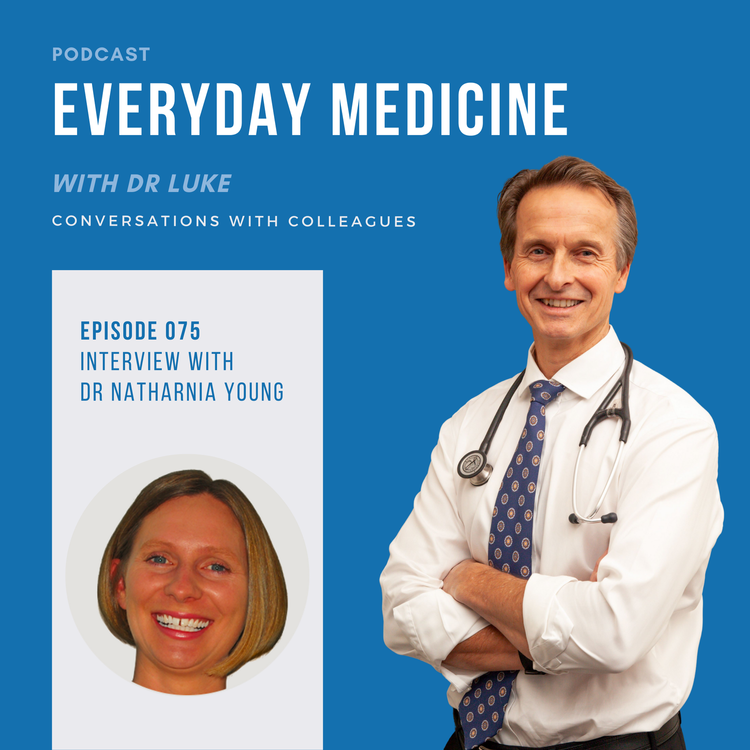
Dr Natharnia Young is a leading urogynaecologist servicing South Eastern Melbourne’s suburbs and joins this conversation to discuss urinary incontinence in women, a condition associated with significant personal and social stigmatisation and affecting up to 1:2 women over the age of 70.

Dr Peter Brukner OAM is Professor of Sports Medicine at the Latrobe Sport and Exercise Medicine Research Centre and is one of Australia’s most respected and best-known specialist sports physicians with a wide breadth of knowledge of the subject. He has extensive experience, having enjoyed a stellar career with elite sports teams and Olympians over multiple decades in his professional capacity.

Dr Peter Brukner OAM is Professor of Sports Medicine at the Latrobe Sport and Exercise Medicine Research Centre at Latrobe University and is one of Australia’s most respected and best known specialist sports physicians. He has a deep breadth of knowledge and experience and was a founding partner at the Olympic Sports Medicine Centre in Melbourne as well as a sports physician to the Collingwood and Melbourne AFL clubs, Liverpool Football Club and has served as team doctor to the Australian cricket team, Socceroos and several Olympic teams. He has authored multiple best-selling books on sports medicine and more recently has become interested in the important relationship between lifestyle and health and after determining that he was pre-diabetic he embarked on a low carbohydrate ketogenic style diet. He has subsequently become a strong advocate of the low carbohydrate diet both in managing a healthy BMI and avoiding development of the metabolic syndrome and all its consequent health effects and authored the very popular and best-selling book A Fat Lot of Good. He energetically has also established the not for profit campaign Sugar By Half. He joins us today to discuss his experience and journey to a low carbohydrate diet and how such an approach may be highly beneficial to athletes of both amateur and elite persuasions. Please enjoy this podcast.

The Peter Doherty Institute was the first Australian laboratory to establish a Covid 19 PCR test and diagnose the first SARS- Cov 2 infection on Australian shores, its research scientist is heavily involved in developing novel diagnostic tools applied across many areas of medical science and the institute plays a key leadership role in advising state and federal government on best medical practice. It’s no great surprise therefore that we have learned of their ground-breaking development of a new subunit Covid 19 vaccine utilising the receptor binding domain at the tip of the virus’s spike proteins. This is the region responsible for virus attachment and infection and for eliciting over 90% of neutralising antibodies following SARS Cov-2 infection. Parallel with the subunit vaccine development, another Melbourne group – the Monash Institute of Pharmaceutical Sciences has developed a similar vaccine but using mRNA technology copying the virus’s genetic sequence that codes for the receptor binding domain.

Delivering hard news to a patient or their relatives and admitting error can be one of the most difficult duties encountered by a doctor. Significant effort is now spent in teaching young training doctors techniques and strategies to avoid miscommunication and uncertainty in undertaking this complicated task whilst also remaining emotionally engaged and empathetic to their situation.

Chronic pain affects about 1 in 5 people in Australia and is a common reason for patients to see their doctor and to seek treatment. As patients seek ever increasingly strong pharmacological therapies they may become increasingly depressed, fatigued and dislocated from society.

Genetic testing for cancer is important for a small number of families at increased risk due to the inheritance of genetic mutations. Most commonly this involves the inheritance of breast cancer genes such as the BRCA 1 and 2 or colorectal cancer genes such as the Lynch syndrome genes. Although these only represent a small percentage of total cancers reported there is significant public interest in these syndromes.
In the context of family cancer screening, genetic testing looks for specific inherited changes or variants in a person’s genes which may predispose them to an increased risk of developing a neoplasm. Harmful variants in some genes are known to be associated with an increased risk of developing specific cancers such as mutations to the BRCA 1 and 2 genes associated with breast and ovarian cancer and the Lynch genes associated with colorectal and endometrial cancer.

The ketogenic diet has recently become popular as an effective dietary approach to weight loss. The diet restricts carbohydrates to just 5-10% of total calories and relies on caloric intake from fats (55-60%) and proteins (30-35%) forcing metabolism to shift from gluconeogenesis to ketogenesis with the production of acetoacetate, beta-hydroxybutyrate and acetone – ketone bodies – as the usable energy source. People adopting this diet report a significant reduction in hunger, increase in energy, clarity of thought and reduction in chronic inflammatory conditions. Some are concerned the diet is difficult to maintain long term and may be risky in patients that are diabetic and in those with chronic kidney disease.
Before proceeding, we apologise for the audio quality in this week's episode. Unfortunately, we experienced some technical difficulties and we will endeavour to resolve these problems in future episodes of Everyday Medicine.

Diabetic foot is the name given to the condition commonly experienced by people with diabetic peripheral neuropathy and results in an insensitive and often deformed foot. Found in both type I and type II diabetic patients (of which there are 1.8 million living in Australia-one new diagnosis is made every 5 minutes), even minor trauma in the diabetic foot may lead to the development of an ulcer. The combination of impaired vascular supply from micro and macro vascular disease and neuropathy presents real challenges for healing. Consequently, diabetic foot ulcer is a major event in 85% of subsequent amputations and is the cause of 20% of hospital admissions related to diabetes. Ten to 15% of diabetic foot ulcers fail to heal and of these, 25% lead to an amputation. In one study up to 50% of diabetic patients undergoing amputation were dead within 2 years. Failure to be seen and managed by medical attendants more than 6 weeks after developing an ulcer in a diabetic foot vastly increases the amputation risk however just one year after appropriate vascular surgical management, between 70 and 90% of limbs will be saved from amputation. Furthermore, one year after vascular intervention up to 60% of diabetic foot ulcers are healed, highlighting the importance of vascular surgical expertise early in the management of the diabetic foot.

It is common in clinical practice to identify patients with impaired renal function as determined by diminished glomerular filtration rate and elevated creatinine. The decision to undertake thorough work-up and investigation of such patients or to observe and monitor, removing any potential offending nephrotoxic agent, is a clinical problem we address in this podcast with expert nephrologist Dr Tony Amin, who considers:

Sodium is a major extracellular cation. Normal sodium concentrations range between 135 and 145 mmol/L. Alterations in sodium concentration, particularly hyponatraemia is the most common electrolyte disorder doctor’s encounter in clinical practice. Up to 20% of people admitted to hospital have hyponatraemia and it is estimated that 1.7% of population also have hyponatraemia.

The consequences of dementia with short term memory loss, visuospatial dysfunction, executive dysfunction, apathy, word-finding difficulty and apraxia is devastating both to the patient and family. It is estimated that 1% of Australians aged 65 years have dementia and that almost half of our population over 85 years have dementia to varying degrees. Alzheimer’s (60% of cases), vascular dementia (15% of cases), Lewy body and frontotemporal (each 5% of cases) and other forms of dementia secondary to alcohol, trauma and neurodegenerative disorders reflect the main forms of dementia seen in our society

Each year in Australia, over 125,000 of our more elderly population are admitted to hospital consequent to a fall. About a third of people over the age of 65 years fall each year and this figure rises exponentially with age. In up to 10% of falls, serious injuries such as fractures (a third of which are hip), soft tissue injuries and direct brain injuries arise. Falls and injuries from falls have serious implications and consequences.

Couples are said to be infertile if pregnancy does not result after a year of carefully timed sexual activity without the use of contraceptives and is estimated to affect up to one in six Australian couples. It is also estimated that male partners contribute approximately 40% to cases of infertility, the same percentage as women. In a third of couples, a combination of male and female factors both need consideration. Today, women in Australia are 31 years of age before their first child is born compared to a generation ago where women on average were 24 years of age, this change in timing of first pregnancy and lifestyle may also be contributing to the difficulty some couples have starting their families.

Altered uterine bleeding is estimated to affect 10-30% of women in midlife and constitutes about a third of outpatient gynaecological reviews. There are many aetiologies to consider including leiomyomas (fibroids), endometrial pathologies, polyps, malignancy, platelet dysfunction and coagulopathies.
The detection of colorectal polyps is of critical importance in the prevention of colorectal cancer. Studies have demonstrated that colorectal cancer arises from colorectal polyps in more than 95% of cases. Fortunately most polyps do not become malignant (less than 1%) and it is known that less than 5% of all colonic adenomas harbour malignancy. The National Bowel Cancer Screening Program has been a government initiative to assist in the detection of early cancers and malignant polyps through the detection of occult haemoglobin in stool and some larger clinical trials have demonstrated the benefits of screening population this way. Once a malignant polyp is determined colonoscopically a fresh set of questions arises in regards to best management practice.

Rectal bleeding is a very important clue to the possibility of serious internal colonic pathology. Whilst our approach to work up of patients with rectal bleeding is determined by the description of blood, the age of the patient and background history, it is extremely important not to overlook rectal bleeding as a possible early sign of a malignant polyp, premalignant polyp, colorectal malignancy or inflammatory bowel disease.

Metabolic bone disease is common, it is estimated that about 4.75 million Australians have either osteopenia or osteoporosis. Osteoporosis affects up to 23% of women and 6% of men over the age of 50 with a markedly increased risk of minimal trauma fractures including hip fracture with increased morbidity and mortality. Osteoporosis is characterised by microscopic architectural deterioration of bone structure, loss of bone mass and a change in bone metabolism and can be confirmed by dual-energy x-ray absorptiometry (DEXA scan). Until recently 70-85% of patients presenting with a minimal trauma fracture have tended to be both under investigated for osteopenia and osteoporosis, nor appropriately managed to prevent a further fracture. Metabolic bone disease is a silent epidemic.

Centrally mediated abdominal pain syndrome is a chronic recurrent condition that is not related to bowel function, diet or definite organic pathology such as inflammatory bowel disease, diverticulosis, vascular syndromes nor neoplasia.

Covid vaccine induced Pericarditis-Myocarditis
Since the release of mRNA vaccines medical practitioners around the world have been receiving calls from patients complaining of chest discomfort typical of pericarditis some of these patients have also had associated ECG changes and cardiac enzyme elevation consistent with myocarditis. This phenomenon does not appear to be related to the non mRNA vaccines available.

Polyps are discreet mass lesions that protrude into the intestinal lumen and represent a very important precancerous pathology to be identified and removed at colonoscopy. Up to 95% of adenocarcinomas arise from polyps, such cancers develop either after inactivation of the APC gene (for adenomas) or by KRAS mutation or BRAF oncogene activation with methylation of promoter regions for the serrated polyp pathway. As colorectal cancer is one of the most commonly diagnosed cancers in Australia, with up to 1 in 18 males and 1 in 25 females developing cancer in their lifetime, identification and removal of polyps as demonstrated by the National Polyp Study remains an important objective at colonoscopy

Up to 23% or more of Australians have varicose veins which may include small spider telangiectasias to large cosmetically challenging varicosities. In this episode we talk with phlebologist Louis Loizou who runs a very successful vein solution clinic in the community where he manages patients with all presentations of varicose veins, large, small, spider veins – he is able to find a solution for all. Louis is a past vice president and honorary secretary of the Australian College of Phlebology.

Newfound freedom from lockdown in both Victoria and New South Wales will undoubtedly lead to greater COVID-19 exposure. Whilst widespread vaccination uptake has been achieved a significant number of adults and our children remain unvaccinated and vulnerable to the Delta strain. What can we expect from the health perspective for those exposed?

In this podcast we have a conversation with Gyu Lee who works with Victoria Alcohol and Drug Counselling Service as a harm reduction practitioner managing patients in the community who have developed addictions to both alcohol and drugs. Management techniques include close engagement with referred clients and an approach based on:

Globus pharyngeus in an intermittent or persistent non-painful sensation of a lump or foreign body in the throat. First described 2,500 years ago by Hippocrates who thought the condition was secondary to pressure on the thyroid cartilage from contractions of the strap muscles of the neck, we now know that globus is a relatively common condition representing up to 4% of ENT referrals and may be seen in just less than half of healthy individuals at some point in time. Gastro-oesophageal reflux disease and hypertonicity of the upper oesophageal sphincter are very important contributors to the sensation.

Facial pain is a common presenting complaint in primary practice, in many cases the aetiology can be ascertained from a detailed history and examination, however the source of pain may also be obscure including referred pain from the oral cavity as well as neurological, vascular and psychogenic disorders

Ear pain or otalgia as a diagnostic problem presents commonly to primary health physicians. Otalgia may be primary, arising from the external auditory canal (otitis externa) or the middle ear (otitis media) or secondary. As the sensory innervation of the ear is richly supplied by branches of the trigeminal, facial, glossopharyngeal, vagal nerve as well as upper cervical nerves it is not surprising that many secondary causes of earache including TMJ dysfunction, dental infections and neoplasias may also be responsible for otalgia.

Irritable bowel syndrome is an idiopathic clinical entity characterised by chronic (more than six months) abdominal pain that occurs in association with altered bowel habits. In 2016 the Rome IV Consensus report adjusted the diagnosis to include symptoms occurring at least once a week from a previous definition of three times a month and include the notation of abdominal pain rather than discomfort related to defaecation. In practical terms, irritable bowel syndrome is in part a diagnosis of exclusion, however, in younger patients without alarm symptoms a simple stool test for calprotectin rather than extensive endoscopic work up may be all that is required. A negative calprotectin favouring conservative and symptomatic management, a positive finding requiring further workup.

Now recognised as one of the most common conditions underlying food impaction events, eosinophilic oesophagitis (EOE) has an estimated prevalence of 0.4% among both children and adults. EOE is a chronic inflammatory disorder characterised by oesophageal dysfunction and eosinophil predominant inflammation. Relatively recently described we may speculate as to whether this is a truly new disease or a more recently recognised one.

Mental health has become a major casualty of the Covid pandemic that has swept across the globe and been responsible for rolling lockdowns throughout Australia restricting personal freedoms, social contact and the ability to prosper financially. No one is exempt from this unprecedented event and the anxiety, depression and anguish wrought is having a major effect on the health and wellbeing of our communities.

Helicobacter pylori is a gram-negative curved bacillus that may colonise the gastric and proximal duodenal mucosa. Its significance was first described by Barry Marshall and Robin Warren in 1982 both of whom were awarded the Nobel prize in 2005 after the Nobel community described the discovery as the most impacting in medical sciences. Most medical practitioners are aware of the pathophysiological consequences of Helicobacter which is responsible for gastritis, gastric and duodenal ulcer disease, and may be associated with gastric adenocarcinoma as well as mucosa associated lymphoid tissue hyperplasia (MALT lymphoma). Its eradication has largely hinged on standard triple therapy including a PPI combined with amoxicillin and clarithromycin taken together for 1 week in Australia; unfortunately this regimen has a 10-15% failure rate.

The burden of mental health to Western society ranks amongst the leading causes of overall clinical presentations and the impact of anxiety, depression, addiction, substance abuse and PTSD can be devastating both to individuals and society. Recognition that psychedelic therapies may offer a profound benefit in the treatment of these conditions has rekindled a renaissance in their use, in particular of psilocybin from Psilocybe cubensis or “magic” mushrooms. The Australian Psilocybin Assisted Psychotherapy study at St Vincent’s focusing on end of life anxiety and depression is providing fascinating insights into the place and future use of these compounds.

Obstructive sleep apnoea is common, it is estimated that 49% of men aged 40-69 have obstructive sleep apnoea rising to 62% above the age of 70. Up to 1 in 10 have undiagnosed obstructive sleep apnoea which may present with snoring, daytime somnolence, depression and significant hypoxemia during sleep with associated cardiac arrhythmias.

Australia has one of the highest rates of asthma in the world affecting about 11% of the population and in 2017/18 was responsible for 38,792 hospital admissions and 389 deaths, many of which may have been preventable. Asthma occurs when there is reversible expiratory constriction of the airways, especially the bronchioles and smaller bronchi, in response to various stimuli associated with a chronic inflammatory process. Today we are joined by Dr Michael Ho, an experienced respiratory physician who discusses:

Thyroid nodules are common, in some ultrasound series at least 30% of adults are found to have nodules and 4-7% of adults will have a palpable nodule. Whilst the overall risk of malignancy within a nodule is less than 5%, this is dependent on thyroid imaging reporting and data system (TI-RADS) which reflects features such as size of the nodule, presence of microcalcification, cyst complexity, whether the cyst is taller than wider and the presence of intranodular vascular images.

In this episode, we share an intimate conversation with Dr Shashi Manikappa who has spent the past 18 months in India’s heartland volunteering medical care to those affected by the Covid pandemic. Whilst over 400 million Indians have received at least one dose of vaccine to date, on the ground in India treatment protocols embracing the use of Ivermectin in combination with other drugs have gained significant popularity and anecdotal support as an effective treatment. Shashi discusses the value of these protocols as used in India and the medical experience and perspective gathered during his time there. It is acknowledged that the protocols discussed in this episode have not been endorsed for use in Australia.

Radiofrequency ablation (RFA) has revolutionised treatment for tachyarrhythmias and has become first line treatment for some tachycardias. Some arrhythmias are relatively common, atrial fibrillation for example affects up to 9% of our population over the age of 80 years and provides a very significant risk for thromboembolic stroke, haemorrhagic stroke as well as impairment of quality of life whilst also contributing to heart failure.

Atrial fibrillation is the most commonly experienced arrhythmia increasing in prevalence with age. It is estimated that 3 in 1000 under the age of 65 years have atrial fibrillation rising to 9% of people reaching the age of 80 years. The rate of stroke in untreated atrial fibrillation ranges from 5% per year with minimally associated risk factors up to 15-20% per year with associated risk factors such as hypertension, diabetes mellitus, heart failure and a history of vascular disease. The mortality of atrial fibrillation related to stroke is high and estimated at 25% in 12 months.
As the Covid pandemic continues to spread around the world with over 187 million recorded infections and 4 million deaths, countries including Australia have embarked upon vaccination programs including the use of mRNA (Pfizer and Moderna), viral vector (Astra Zeneca), and subunit protein vaccines (Novovax).

Heart disease affects one in six Australians with an AMI occurring every 10 minutes and accounts for one in four of all deaths, so primary and secondary prevention are very important considerations in relation to any patient presenting with heart disease or at risk of heart disease. Risk factors including family history, lipid abnormalities, diabetes mellitus, hypertension, smoking or those with elevated BMI all need consideration. Whilst there have been significant controversies regarding lipids management and the use of statins, the evidence for their use, particularly in secondary prevention of heart disease is clear.
![Episode 41. Primary Prevention of Cardiovascular Disease with Dr John Counsell [Part 1]](https://images.squarespace-cdn.com/content/v1/6246708462f6e814e578b7a3/1653455742358-BI3NZ2T49PTYKWSG4CCH/Dr%2BLuke%2BCrantock%2BEveryday%2BMedicine%2Bwith%2BDr%2BJohn%2BCounsell.jpeg)
Heart disease affects one in six Australians with an AMI occurring every 10 minutes and accounts for one in four of all deaths, so primary and secondary prevention are very important considerations in relation to any patient presenting with heart disease or at risk of heart disease. Risk factors including family history, lipid abnormalities, diabetes mellitus, hypertension, smoking or those with elevated BMI all need consideration. Whilst there have been significant controversies regarding lipids management and the use of statins, the evidence for their use, particularly in secondary prevention of heart disease is clear.

Non-melanotic skin cancers and melanoma are the most common cancers affecting humans. At least two in three Australians will be diagnosed with skin cancer before the age of 70 years and the risk is higher for men than women. Whilst basal cell carcinomas and squamous cell carcinomas are more common they are not as lethal as melanomas which are referred to as Australia’s “national cancer”. Indeed in 2020 it is estimated that 16,200 will be diagnosed with melanoma, that is one new case every half hour and a death every five hours.
Based on the Australian Bureau of Statistics National Health Survey data about one in three people over the age of 18 living in Australia have hypertension or were taking blood pressure lowering medications. A staggering number requiring therapy for a condition which impacts on cerebrovascular disease, coronary artery disease, chronic kidney disease, heart failure and mortality.

Based on the Australian Bureau of Statistics National Health Survey data about one in three people over the age of 18 living in Australia have hypertension or were taking blood pressure lowering medications. A staggering number requiring therapy for a condition which impacts on cerebrovascular disease, coronary artery disease, chronic kidney disease, heart failure and mortality.

The western world faces a very significant obesity epidemic. In Australia, two-thirds of our population or 12.5 million are either overweight or obese and as a consequence may experience many medical sequelae including development of the metabolic syndrome, type 2 diabetes, cardiovascular disease, cerebrovascular disease, osteoarthritis and depression, contributing significantly to our health burden. In the first part of this series, we were joined by Joseph Proietto, Professor Emeritus at the University of Melbourne, the Department of Medicine at Austin Health and an endocrinologist specialising in diabetes and obesity to discuss why we become obese. Professor Proietto joins us again to guide us through a strategy of how to treat and manage obesity and direct our patients toward a healthy body mass index (BMI).

Up to two thirds of Australians are either overweight or obese as defined by body mass index (overweight: BMI 25-29.9, obese: BMI >30) with subsequent significant medical consequences including cardiovascular disease, type 2 diabetes, cerebrovascular disease (metabolic syndrome), osteoarthritis and depression. Becoming overweight and obese involves complex interactions between neurohormonal systems of the gut, neurobiology of the brain (particularly the hypothalamus) and leptin production from adipose sites coupled with an environment where there is an abundance of high glycaemic energy dense foods. Science demonstrates that the overarching controls of obesity are genetic (70%) rather than environmental (30%). Adoption studies relating to monozygotic twins demonstrate this. In view of the metabolic consequences of obesity, understanding why we get fat is extremely important to medical practitioners.

The spleen performs a large number of important functions including processing and removal of opsonized pathogens, cellular maintenance, immunoglobulin production and the removal of effete worn out red blood cell. When removed either through trauma or for therapeutic indications the risk of overwhelming post splenectomy infection (OPSI) increases significantly; up to 58 times the general population in the setting of trauma and up to 1,100 times increased risk when for thalassaemia.

Coronary artery disease caused by atherosclerosis is responsible for one heart attack every ten minutes in Australia. Not all plaques however are equally dangerous or vulnerable, and stable plaques may be asymptomatic and associated with low risk of coronary events contrasted with the unstable or ruptured plaque. To discuss this very interesting subject in more detail we are joined by Dr James Sapontis, experienced cardiologist and head of complex coronary intervention at Monash Heart who will consider:

We are joined today by Dr James Sapontis, head of complex coronary intervention at Monash Heart and formerly trained through Mahi Missouri and Kings College London to discuss new advances in the field of cardiology.

Lung cancer is a major problem facing Australian doctors representing 9% of all cancer diagnoses and with 12,200 new cases of lung cancer diagnosed each year it is the fifth most commonly diagnosed cancer, but the most common cause of cancer death in this country for both men and for women. The early presentation of lung cancer may be as subtle as a small coin lesion or nodule seen on chest imaging and there are a multitude of ways in which such nodules may be interrogated further. Whilst a wait and watch approach may be appropriate, further evaluation by VATS with a tissue diagnosis maybe required.
Benign prostatic hyperplasia (BPH) is a common condition as men age and the most common benign tumour in men. Approximately half of all men between the age of 51 and 60 years have BPH and upto 90% of men over the age of 80 years have it. Prostate enlargement can be responsible for a variety of urinary symptoms including hesitancy with poor urinary flow, frequency, nocturia and incontinence. Where surgery was once a likely outcome for this condition many medical therapies have evolved to provide suitable alternatives including Alpha 1 adrenoceptor blockers resulting in smooth muscle relaxation in the prostate and bladder neck, 5-alpha reductase inhibitors which reduce prostate volume and growth by inhibiting the conversion of testosterone to dihydrotestosterone (DITT) and phosphodiesterase 5 inhibitors which may improve quality of life and voiding symptoms.
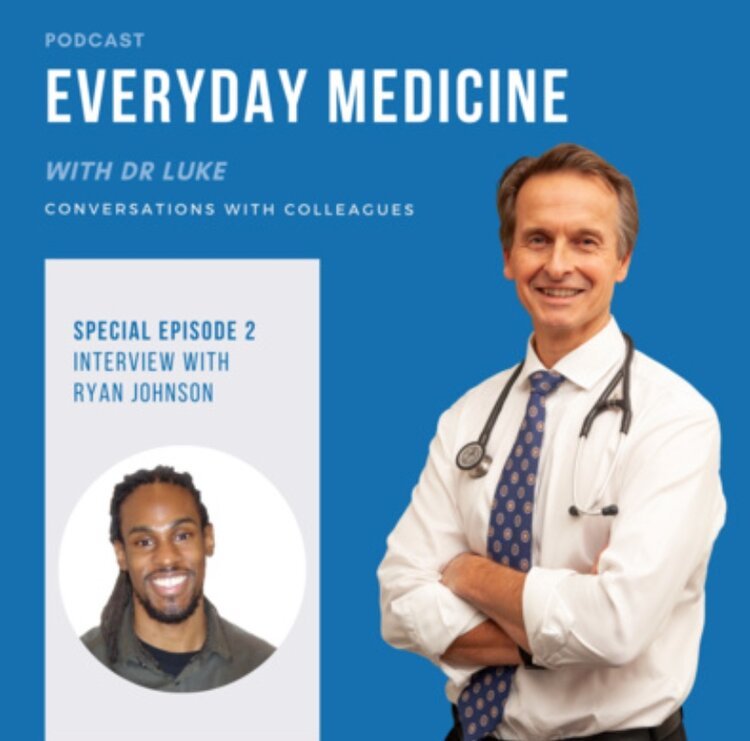
In this podcast episode, we have a conversation with physiotherapist Ryan Johnson of R3 Physiotherapy in London who is passionate about gait correction and has written a book called The Way to Walk.

Prostate cancer is the second most commonly diagnosed cancer among men and the second most common cause of death from cancer in men, yet many prostate cancers are not fatal and some autopsy series have demonstrated up to 50% or more silent prostate cancers in men over the age of 70 years.

Personalised medicine also known as precision medicine uses the knowledge of genetics to help predict disease development and to influence decisions about lifestyle choices and to tailor treatment to a particular individual's tumour. The hope is that personalised medicine will allow more appropriate choices of targeted therapy and minimise side effects rather than choosing a "one size fits all" approach to prescription medication.

Cancer is responsible for over 40,000 deaths annually in Australia and has traditionally been managed by modalities including surgery, radiotherapy and chemotherapy. In 1992, Tasuku Honjo's discovery of checkpoint proteins on tumour cells led to the birth of immunotherapy which has revolutionised the treatment of many cancers including bladder and kidney cancer, head and neck cancer, melanoma, non-small cell lung cancer and Hodgkin's lymphoma.

In this podcast episode we have a conversation with Mr Andrew Tang, Director of the Epworth Musculoskeletal Clinical Institute and an experienced orthopaedic surgeon operating at Epworth Richmond and St John of God Berwick since the early 1990's.

As clinicians we are often faced with the dilemma of working up cystic structures in the pancreas. These may have been discovered incidentally but may also be clinically relevant and contributing to symptoms. In this podcast episode we are joined by Mithra Sritharan a hepatopancreaticobiliary and general surgeon with a particular interest in liver and pancreatic disease, but whose management skills and high level of competence is evident from this interview.
Our approach to space-occupying lesions (SOL's) in the liver is dependent on a firm knowledge of the potential pathology, the choice of imaging modality and the understanding of any background clinical liver disease in the index patient.
In this episode, we talk with experienced general practitioner Dr Sally McDonald who has committed a large part of her time, energy and emotion providing palliative care for her local community.

Seizures may be defined as a transient disturbance of cerebral function due to abnormal paroxysmal neuronal discharge in the brain with epilepsy defined by any disorder characterised by recurrent (more than two) unprovoked seizures. It is estimated that 1-2% of the Australian population experience epileptic seizures in adult life and up to 4% of children experience epileptic seizures

Australia is in the dawn of its vaccination program against SARS-COV2, inoculations commenced this week among frontline health workers and aged care residents as well as our Prime Minister. By comparison, Israel’s vaccination rollout has been the fastest in the world, half the population has received one dose already and one third has received both inoculations.

It is estimated that more than 56,000 strokes will be experienced by Australians this year (new and recurrent) and that half of Australians are living with the effects of a stroke which remains the third leading cause of death in Australia and kills more women than breast cancer and more men than prostate cancer. As more than 80% of strokes may be prevented and four in 10 stroke survivors have a recurrent stroke within a decade it is very important we understand the aetiology of strokes and how we may intervene effectively to reduce incidence and morbidity.

It is estimated that 130,000 Australians have been diagnosed with insulin dependent diabetes mellitus with about seven new cases per day. Approximately 60% of the diagnoses are in children and young adults under the age of 25 years. As IDDM is an autoimmune disease resulting in the destruction of insulin producing cells, glycaemic control is obtained through the administration of insulin. There have been several recent advances in continuous glucose monitoring and insulin delivery to review.

Endorectal ultrasonography combined with anorectal physiology allows the evaluation of the constituents of the wall of the anal canal and the scientific understanding of anorectal pathophysiology. It is very important to appreciate a patient's anorectal dynamics before initiating an effective management strategy for what may be a wide variety of pelvic-anorectal disorders.

Robotic assisted surgery allows doctors to perform complex procedures with more precision, flexibility and control than is possible with conventional techniques. Now used in many forms of surgery including cardiac, prostatic and orthopaedic, in this episode we are joined by the dynamic and highly skilled Mr T C Nguyen who discusses


Medical cannabinoids are derived from the cannabis sativa plant. There are 144 known cannabinoids, THC is perhaps the best known for its psycho-active effects, however cannabidiol (CBD) is now being recognised for its many medical applications.
In 2019 experienced anaesthetist Dr Tom Edgley was left to defend his two properties in the rural and bushy enclave of Tonimbuk from the disastrous fires claiming over 26 properties in the region. Not only did Tom survive protecting his properties from the fire, but he also lent a major hand to his neighbours and was involved in the emotional rehabilitation of his community.

In this episode we have a conversation about Type 2 diabetes, a condition that affects at least 1.2 million Australians (5% of Australians) and for which there are a complex number of pharmacologic treatment strategies available.

The transfer of stool from a healthy donor into the gastrointestinal tract of a recipient (FMT) at first consideration does not seem like a reasonable or scientific approach to the treatment of gastrointestinal diseases. Historically however, it has been used by communities for over 3,000 years, gaining credibility in 1958 after a paper by Eisemen in Denver who described treating pseudomembranous colitis this way.

DARCY HOLT - BIOLOGICS AND SMALL MOLECULES FOR INFLAMMATORY BOWEL DISEASE Biologic agents (produced in living organisms or containing components of living organisms) coupled with a variety of new small molecules (acting in novel ways to influence the human immune system) have dramatically improved medical management of inflammatory bowel disease.

Inflammatory Bowel Disease (IBD) affects approximately 85,000 Australians and 5 million people worldwide and includes Crohn's disease and ulcerative colitis. These conditions may have a major impact on patient's quality of life.

Australia has led the world in pain management, interventional techniques and pain research including in the management of severe and debilitating axial and musculoskeletal pain via spinal cord and DRG stimulation as well as in several evolving techniques for the management of visceral pain.

In this episode I have a conversation with Dr Puneet Mahindra on the subject of Barrett's oesophagus. Puneet not only discusses the origins of this condition, named after Australian born thoracic surgeon Mr Norman Barrett, but also discusses - · Its relationship to chronic reflux disease · Adenocarcinoma risk · Surveillance guidelines · Appropriate medical management Puneet makes the point that Barrett's oesophagus is an important reason why we should all take gastro-oesophageal reflux disease seriously.

In this episode I interview experienced gastroenterologist Dr Puneet Mahindra on the common clinical problem of gastro-oesophageal reflux disease. Puneet details - · Risk factors · Complications · Approaches to management He provides personal tips drawn from experience and the literature outlining an approach that should be helpful to everyone practicing clinical medicine.
It is estimated that at least 300,000 Australians have chronic heart failure imposing a significant impact on the quality of life and mortality. In this podcast episode, we are joined by an experienced interventional cardiologist, Dr James Sapontis, as we explore heart failure with preserved ejection fraction (HFpEF) and heart failure with reduced ejection fraction (HFrEF).

It is estimated that 1 in 4 Australian deaths relate to cardiovascular disease and that there are over 60,000 acute coronary events, including either angina or myocardial infarctions, recorded each year in Australia. In an attempt to reduce morbidity and mortality medical efforts have been directed to primary prevention and improving the selection of patients likely to require coronary intervention, such as cardiac stenting or revascularisation.

In this episode we have a very interesting conversation with one of Australia's leading bariatric surgeons, Mr Raymond McHenry, on surgical approaches to weight loss, focussing particularly on the gastric sleeve and roux-en-y gastric bypass operations.

Covid 19 has brought forth upon the world a pandemic unrivalled since the Spanish flu (1918 - 1920) caused by H1N1 influenza A. Described by Australian Treasurer Josh Frydenberg as the "new and invisible enemy", every doctor has had to avail themselves of knowledge regarding this highly contagious virus.

In this episode I have a conversation with hepatologist and gastroenterologist Dr Ferry Rusli in a four-part series on liver disease where we explore chronic hepatitis C, its population reservoirs in Australia and approaches to treatment. In particular, Ferry points out - · The need to increase our effectiveness at treating hepatitis C in at risk populations.

In this episode I talk with experienced gastroenterologist and hepatologist Dr Ferry Rusli on the subject of hepatitis B in a four-part series on liver disease. Ferry discusses - · the prevalence of hepatitis B in the Asia Pacific region · the long-term complications and consequences of hepatitis B · treatment options including pharmacological therapies which are currently falling short of the national target for patients receiving treatment.

In this episode I am joined by Dr Ferry Rusli, an experienced gastroenterologist and hepatologist to discuss non-alcoholic fatty liver disease in a four-part series on hepatology. Ferry discusses the relevance of non-alcoholic fatty liver disease to the metabolic syndrome and some key management points, in particular focussing on controlling body mass index. There is much to learn from this conversation with Ferry, I hope you enjoy the conversation.

In this episode I interview gastroenterologist and hepatologist Dr Ferry Rusli in the first of a four-part series on liver disease. Ferry discusses his approach to a patient presenting with abnormal liver function tests and navigates us through - · Obstructive liver patterns · Hepatitic patterns Ferry will address in broad terms common aetiologies such as non-alcoholic fatty liver disease, chronic hepatitides, acute viral infections, biliary obstruction, malignancy and the possibility of drug side-effects.